
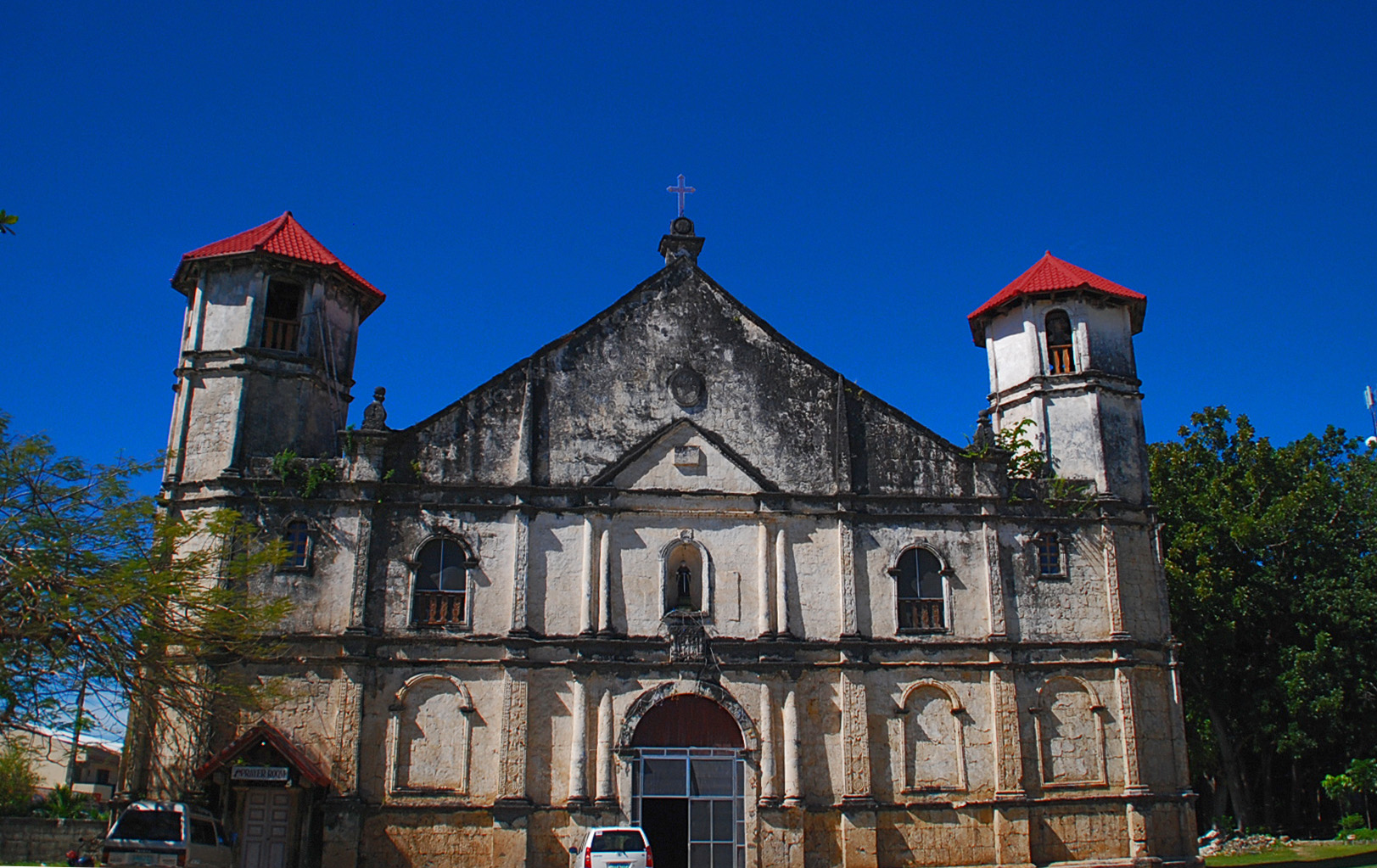
Discover Bohol in a different lens. Embark on a meaningful spiritual journey through the province’s historic churches, sacred sites, and faith-filled communities. This pilgrimage tour is designed for travelers seeking prayer, reflection, and a deeper connection with their faith while experiencing the island’s rich religious heritage and culture.
More than a sightseeing trip, this package focuses on devotion, spiritual renewal, and religious practices, offering opportunities for worship, contemplation, and fellowship in a peaceful and inspiring setting. Ideal for church groups, families, and individual pilgrims seeking a faith-centered travel experience.
Tour highlights
Why Bohol is worth visiting for a pilgrimage tour
Bohol offers a unique blend of faith, history, culture, and natural beauty, making it an inspiring destination for pilgrims and spiritual travelers. The island is home to centuries-old churches, including the historic Baclayon Church, one of the oldest stone churches in the Philippines, as well as other significant religious sites that reflect the deep Catholic heritage of the region.
Beyond its sacred landmarks, Bohol provides a peaceful environment for prayer, reflection, and spiritual renewal. Visitors can participate in religious services, learn about local faith traditions, and experience the warmth and hospitality of Boholano communities. The island’s serene landscapes and tranquil atmosphere further enhance the pilgrimage experience, allowing travelers to strengthen their faith while enjoying a meaningful and memorable journey.
- St. Joseph the Worker Cathedral (Tagbilaran City) – is one of the oldest and most important Catholic churches in Bohol. It was founded in 1595 by Jesuit missionaries and later became a parish in 1767 under the Augustinian Recollects. After the original structure was destroyed by fire in 1798, the present stone church was rebuilt in the 1800s.
In 1941, it was elevated to a cathedral with the creation of the Diocese of Tagbilaran, making it the center of Catholic leadership in the area. Over the years, it has undergone several renovations, including restoration after damage from the 2013 Bohol earthquake.
Dedicated to St. Joseph the Worker, the cathedral remains a key religious and cultural landmark, serving as a place of worship and a symbol of faith for the people of Tagbilaran.
- St. Augustine Parish Church of Panglao – is one of the oldest and most historically significant churches in Bohol. Established by Augustinian Recollect missionaries in the late 18th century, the parish became an important center of Catholic faith in Panglao.
The present coral-stone church was built in the 1800s and is known for its thick walls and historic watchtower, which once served as protection against pirate raids. Its simple yet sturdy architecture reflects the Spanish colonial style commonly seen in old Philippine churches.
Dedicated to St. Augustine of Hippo, the church continues to function as an active place of worship while also standing as a cultural and historical landmark in Panglao.
- Our Lady of the Assumption Parish Church (Dauis) – is a historic Catholic church established by Jesuit missionaries in the late 1600s and later administered by the Augustinian Recollects. The present stone structure was built in the 18th century and is known for its durable coral-stone construction.
The church is notable for its unique ceiling paintings, considered among the oldest in Bohol, and for its historic convent. It also features a freshwater well inside the church, traditionally believed to have miraculous properties.
Dedicated to the Our Lady of the Assumption, the church remains an important religious center and cultural landmark in Dauis, reflecting the rich Spanish-era heritage of Bohol.
- Our Lady of the Immaculate Conception Parish Church (Baclayon) – the church was declared a National Cultural Treasure by the National Museum of the Philippines and a National Historical Landmark by the National Historical Commission of the Philippines. The church, built out of coral stones, is a cross shaped (cruciform) church with its juncture or crossing surmounted by a pyramidal wall. The original tiled roof was replaced by galvanized iron in 1893. The church complex is strategically located facing the sea.
- Sta. Monica Parish Church (Alburquerque) – the church was founded in 1869 after being separated from Baclayon town. Reports dating as far as 1886 indicate that the church was first built of light materials. The imposing structure is famous for its sturdy arches supporting the pathway that connected the church to the convent, which is described as “de grandes dimensions”. What makes the church special is that the altar was carved manually by a local and the intricate design makes it one of a kind.
- Holy Trinity Parish Church (Loay) – is a historic Catholic church established by Jesuit missionaries in the early 17th century, later administered by the Augustinian Recollects. The present stone structure was built in the 1800s and became known for its impressive architecture and riverside location along the Loboc River.
The church once featured a grand façade and large convent complex, reflecting the importance of Loay as a religious center during the Spanish colonial period. However, it was severely damaged during the 2013 Bohol earthquake, leaving much of the structure in ruins.
Despite its destruction, the site remains a significant historical and cultural landmark, symbolizing the enduring faith and heritage of the people of Loay.
- St. Nicholas Parish Church (Dimiao) – also known as the Dimiao Church, is a historic Catholic church founded by Jesuit missionaries in the late 17th century and later administered by the Augustinian Recollects. The present coral-stone structure was built in the 1800s and is notable for its massive walls and fortress-like design, reflecting its role in protecting the community during the Spanish colonial era.
The church complex also includes a large convent and is located near the Ermita ruins, an old mortuary chapel that adds to its historical significance. Despite sustaining damage during the 2013 Bohol earthquake, the church has undergone restoration.
Dedicated to St. Nicholas of Tolentino, it remains an important religious, cultural, and architectural landmark in Dimiao.
Package inclusion
- All entrance fees
- DOT-accredited tour guide
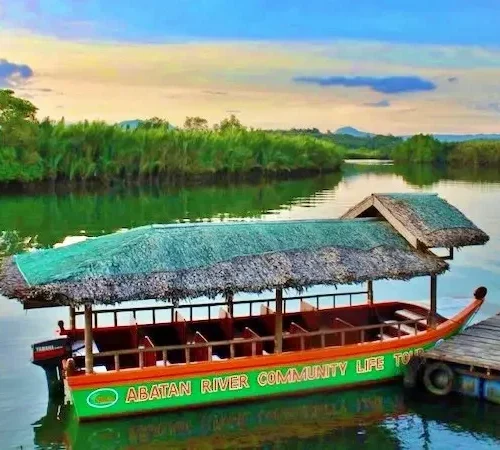
- Buffet lunch at Rio Verde (Loay Floating Restaurant)
- Mass at St. Joseph the Worker Cathedral Church
- Bottled water
- Private transportation
Meeting point & location details
Meeting point
Pickup point is at your accommodation/hotel/resort within Panglao Island and Tagbilaran City area. If outside these areas, additional charges may apply. Please specify upon booking.
NOTE: Please arrive and be ready at the location 10 mins before departure time.
The tour operator will re-confirm your pick-up time 1 to 2 days before the day of tour.
How to find the host
A DOT-accredited tour guide wearing a DOT ID with a name badge. Coordination will be done by the tour operator at the latest 1 to 2 days before the day of tour.
End location/return
To hotel/personal address
Please note that the tour can extend until 6 pm, and if your hotel/resort is outside Panglao Island and Tagbilaran City area, additional charges for drop-off may apply.

















Write a Review